Finding Your Voice with Singing Classes
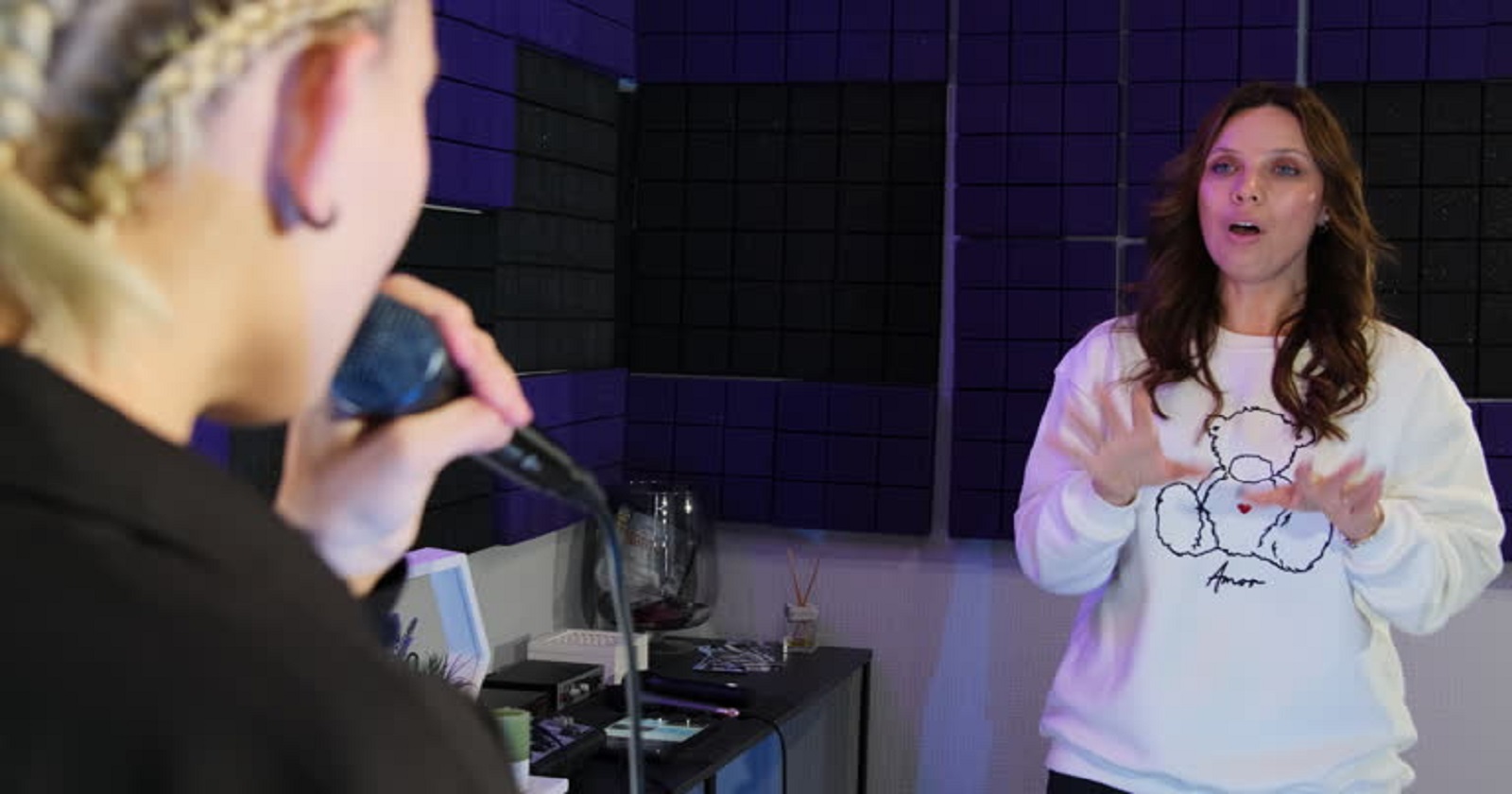
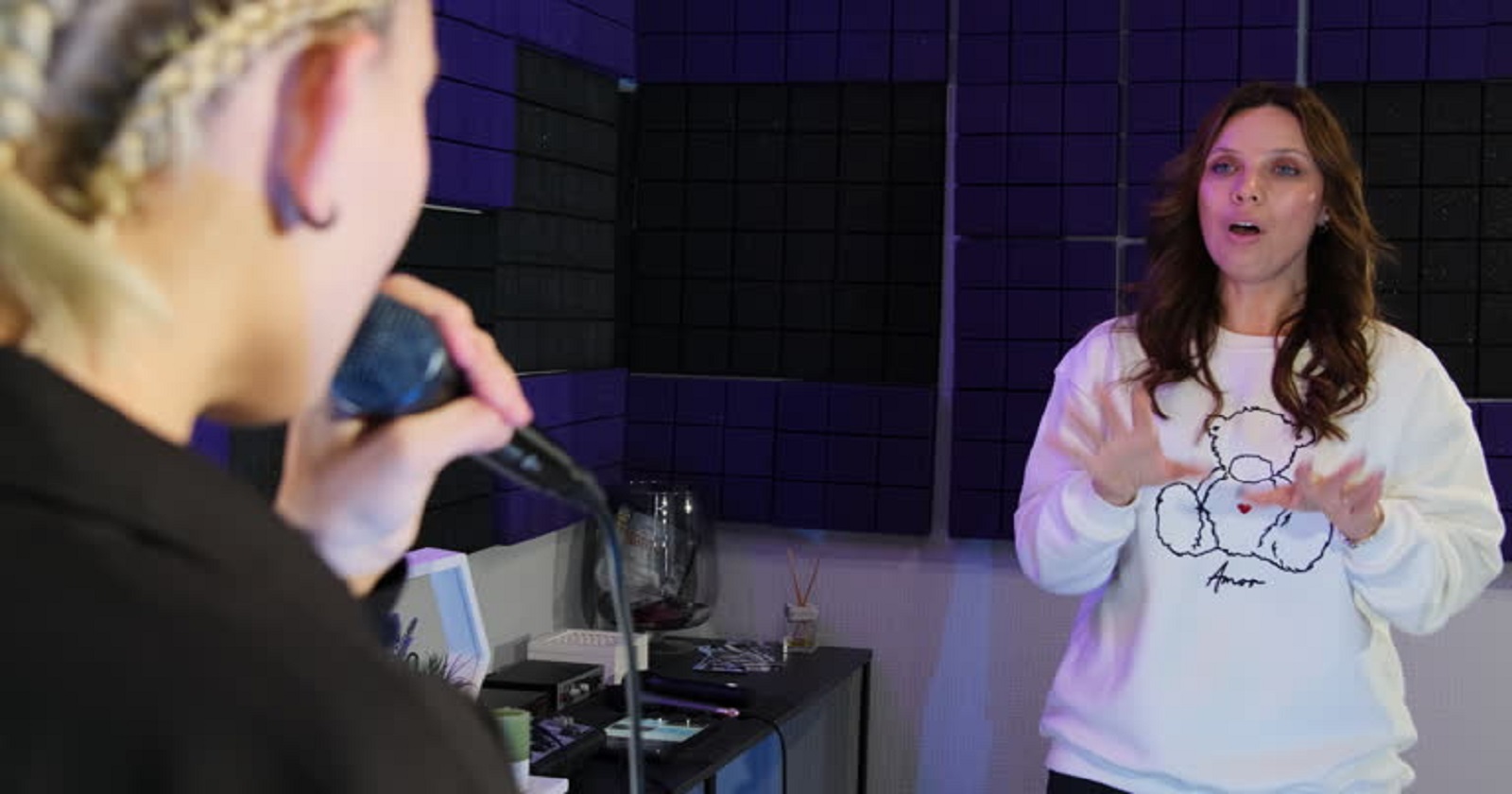
So you’ve probably hummed in the shower, maybe belted a song while stuck in traffic, or even got roasted by your friends for missing that high note in a Bollywood track. We all sing, right? But let’s be honest, not everyone can carry a tune smoothly. That’s where proper Singing Classes sneak into the picture. And no, this isn’t some boring classroom with dusty blackboards. Think of it more like gym for your voice – except instead of lifting dumbbells, you’re flexing your vocal cords.
Why people actually join singing classes
Most of us don’t really dream of becoming Arijit Singh or Adele (okay, some of us do but let’s not embarrass ourselves), yet singing lessons are getting crazy popular. Part of it is stress relief. A survey I came across once mentioned that singing for just 10 minutes can lower cortisol levels—basically the stress hormone. Like imagine, instead of doomscrolling Twitter (sorry, X), you just sing loudly and boom, instant therapy.
Then there’s the social side. People join because they want to sing confidently at family functions, karaoke nights, or even to impress a crush. Trust me, singing one decent line of “Tum Hi Ho” with the right pitch has saved many love stories. On Insta reels, people literally post their before-and-after clips of singing lessons. The glow-up is real.
The money angle no one talks about
Here’s where it gets fun. People think singing is just a hobby, but lowkey it can pay bills too. Music teachers in India charge anywhere between 500 to 1500 bucks per hour. Do the math, even with just 10 students, that’s decent cash. And some singers get side gigs at weddings, choirs, jingles for ads. I read somewhere that the voiceover industry in India is worth over ₹1000 crores (don’t quote me, I might be mixing it with some other stat but it’s big). Basically, your bathroom singing could turn into freelance income if you polish it a bit.
Think of it like stocks – you invest small (in singing classes), you don’t see returns right away, but over time your voice builds equity. And the compounding effect? You don’t just get better at singing; your confidence, stage presence, even breathing control improves. Real-life ROI but without the stock market headaches.
Funny struggles when you start
Okay, so here’s the reality. First few classes feel awkward. You’ll sound like a goat, or maybe like a broken harmonium. And the teacher will keep saying “open your throat” (like how?? Am I a medical diagram?). I remember attending a trial singing class back in college. The teacher made us do breathing exercises where we had to exhale on “sssssss” sound. Bro, half the class was giggling because it felt like we were pretending to be snakes. But hey, those exercises actually strengthen lungs.
Another thing is hitting notes. Online memes always drag people who try singing Ariana Grande songs and end up sounding like a pressure cooker whistle. Relatable. But with time, you actually notice progress.
Why online singing classes are blowing up
The pandemic kind of changed the whole thing. Earlier you had to travel, find a tutor, sit awkwardly in a group. Now with Zoom, people are learning Carnatic, Hindustani, Western, all from home. Platforms like YouTube made people curious, but structured online courses are where the real progress happens. And honestly, it’s less intimidating. You can mute yourself if you sound terrible (yes, we all did it during school online classes too).
There’s also this trend of recording practice sessions and uploading on Insta or YouTube Shorts. Gen Z treats singing classes like content creation. It’s not just about learning; it’s about flexing progress. That public accountability kinda keeps you going.
Lesser-known facts about singing
Did you know trained singers actually use 80% more lung capacity than regular people while performing? Or that singers are less likely to get snoring problems because their throat muscles stay active? Weird but true. Another one I read in a research snippet – choir singing improves heart rate synchronization in groups. So when a bunch of people sing together, their heartbeats literally align. Kind of poetic if you think.
The emotional side nobody admits
Beyond all the stats, singing touches this weird emotional space. Like you sing an old song your mom used to play, suddenly childhood memories flood back. Or you nail that high note and feel like you’ve conquered Everest. Singing classes basically give structure to that messy, emotional outlet. For me personally, singing after a stressful workday feels like shaking off the dust collected in my brain.
How to choose the right singing class
Here’s a small reality check: not every teacher suits every student. Some are super strict, some are chill and joke around. Some focus on Carnatic, some on Western pop. If you’re into bhajans, don’t end up with a jazz trainer or you’ll be confused as hell. Trial classes are gold. Try one or two, see where your vibe matches. And if you’re shy? Online classes save you the embarrassment of croaking in front of strangers.
Final note before you scroll away
At the end of the day, joining Singing Classes isn’t about becoming a superstar overnight. It’s about enjoying your voice, improving bit by bit, and maybe laughing at your mistakes along the way. Think of it as self-care but with melodies instead of face masks. Whether you wanna sing in a temple, on stage, or just for yourself when life feels heavy, the journey is worth it. And hey, who knows, maybe someday your bathroom audience (aka the shampoo bottles) will be replaced by an actual crowd cheering your name.